
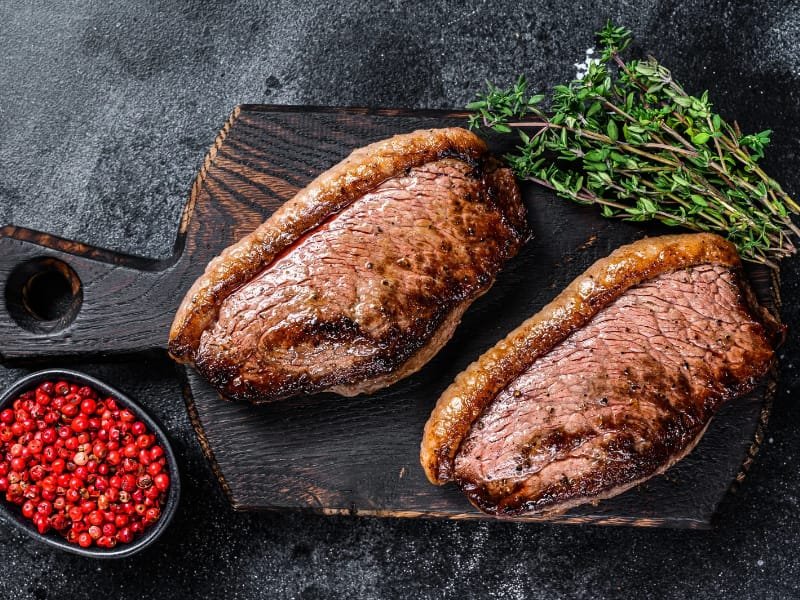
Traveling through Brazil also means learning how Brazilians eat. The experience can begin at a street market, continue at a traditional restaurant, move on to a small artisanal producer and end around a table shared with friends.
Food plays an important role in Brazilian social life. Long lunches, weekend barbecues, coffee accompanied by pão de queijo and gatherings in neighborhood bars are all part of a culture in which eating is rarely just a necessity.
For international visitors, this offers a special way to experience the country. In São Paulo, for example, the city’s restaurant scene reflects its enormous cultural diversity. In Rio de Janeiro, Brazilian ingredients appear in both sophisticated restaurants and popular dishes. In Salvador, Recife and other Northeastern cities, cuisine preserves strong African and Indigenous roots.
And some of the most memorable experiences do not require a sophisticated restaurant. Visiting a street market, tasting an unfamiliar Brazilian fruit, trying a pastel, drinking fresh sugarcane juice or discovering a regional recipe can be just as memorable as an elaborate meal.
In recent years, Brazilian chefs have also gained greater recognition by exploring native ingredients and traditional techniques from new perspectives. The result is a contemporary cuisine that engages with the world without abandoning its roots.
For those coming from abroad, this combination may be one of the greatest charms of the Brazilian table: tradition and creativity sharing the same plate.
In Brazil, every meal can be an invitation to meet people, places and stories. And when the journey is over, it is often these flavors that remain among the strongest memories of the country.