
Brazil at the Table: A Journey Through Flavors That Tell Stories
Brazilian cuisine is one of the most flavorful portraits of the country’s cultural diversity. Across a territory of continental proportions, ingredients, techniques and traditions come together to create a cuisine that changes its accent from one region to another — and can surprise visitors experiencing Brazil for the first time. In the North, ingredients from the Amazon rainforest, such as tucupi, jambu, açaí and a wide variety of fish, reveal a deep connection between food, territory and biodiversity. In the Northeast, dishes shaped by Indigenous, African and Portuguese influences include acarajé, moqueca, baião de dois and carne de sol. Further south, the tradition of Brazilian barbecue has become one of the country’s best-known gastronomic experiences internationally. Meanwhile, Paraná, Santa Catarina and Rio Grande do Sul preserve the influences of different immigrant communities, incorporating their recipes and customs into local culinary traditions. But experiencing Brazilian food goes far beyond trying famous dishes. It means sitting at the table, sharing a meal, talking and discovering that many recipes carry family memories passed down from one generation to the next. For international visitors, this diversity turns a journey through Brazil into a true sensory experience. Every meal can reveal a landscape, a story or a different tradition. In a country known worldwide for its beaches, forests and vibrant cities, gastronomy offers another way to discover Brazil — perhaps one of the most engaging, because it begins precisely where so many cultures meet: at the table.
Beyond Feijoada: Discover the Diversity of Brazilian Cuisine
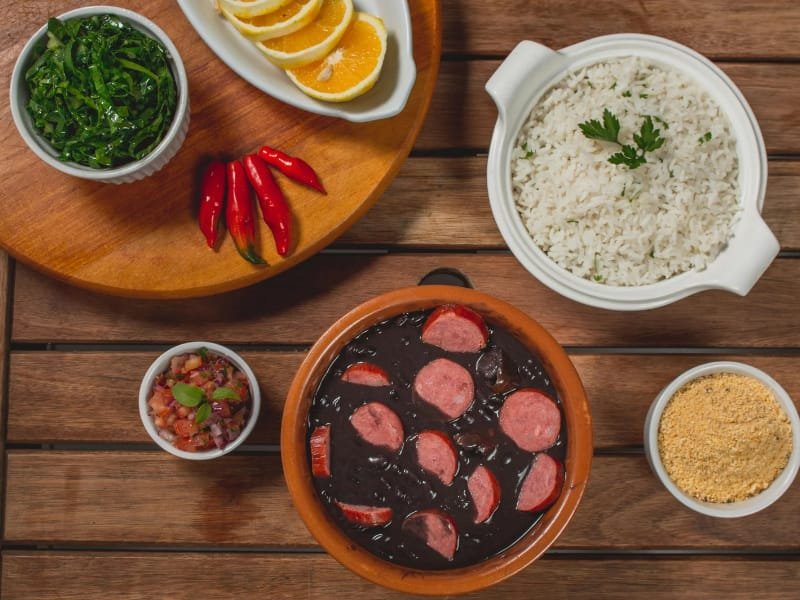
When Brazilian cuisine is mentioned abroad, feijoada is often one of the first dishes that comes to mind. Although it is a beloved classic with a special place in Brazilian culture, it represents only a small part of the country’s extraordinary culinary diversity. Brazil is home to different biomes, cultures and traditions that directly influence what ends up on the plate. In Bahia, palm oil and coconut milk help shape a cuisine known for its intense flavors, while the Amazon offers ingredients that remain relatively unfamiliar internationally, such as tucupi, jambu, pirarucu and cupuaçu. In Minas Gerais, comfort food takes center stage in dishes such as pão de queijo, tutu, chicken with okra and traditional sweets. In the South, meats, pasta, cured meats and recipes brought by European communities coexist with local ingredients and customs. In states such as Goiás and Mato Grosso, ingredients like pequi, corn and cassava, along with different types of meat, help define distinctive regional culinary identities. Even seemingly simple ingredients, such as cassava, corn, beans and bananas, can take on countless forms depending on the region. This multiplicity is one of the great strengths of Brazilian cuisine. There is no single “Brazilian cuisine,” but rather a collection of regional cuisines that share ingredients, influences and stories. For visitors, this means that the gastronomic experience can become part of the journey itself. Exploring different dishes is also a way of crossing different cultural landscapes. Getting to know Brazil through its food, therefore, means discovering a country far greater than the stereotypes often associated with it. In every region, new flavors help tell a different story — and invite travelers to keep exploring.
Eating in Brazil Means Traveling Through the Culture of a Continental Country
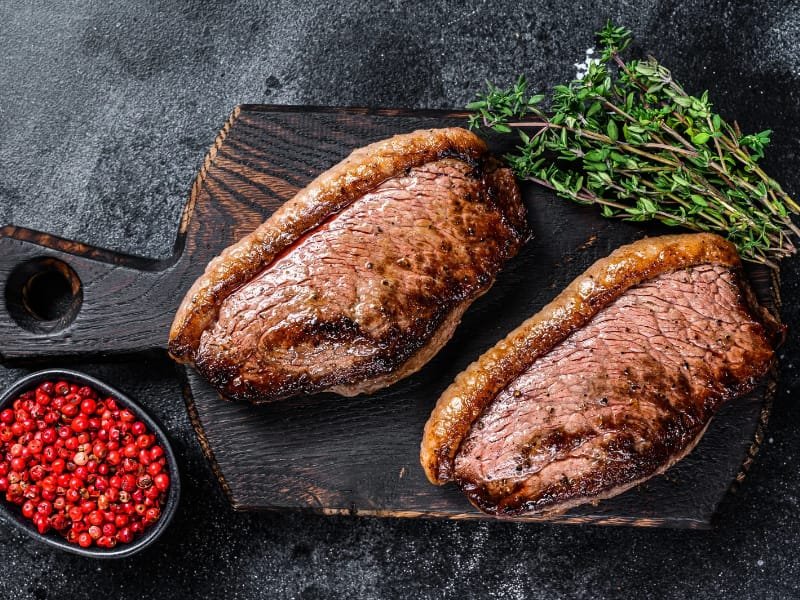
Traveling through Brazil also means learning how Brazilians eat. The experience can begin at a street market, continue at a traditional restaurant, move on to a small artisanal producer and end around a table shared with friends. Food plays an important role in Brazilian social life. Long lunches, weekend barbecues, coffee accompanied by pão de queijo and gatherings in neighborhood bars are all part of a culture in which eating is rarely just a necessity. For international visitors, this offers a special way to experience the country. In São Paulo, for example, the city’s restaurant scene reflects its enormous cultural diversity. In Rio de Janeiro, Brazilian ingredients appear in both sophisticated restaurants and popular dishes. In Salvador, Recife and other Northeastern cities, cuisine preserves strong African and Indigenous roots. And some of the most memorable experiences do not require a sophisticated restaurant. Visiting a street market, tasting an unfamiliar Brazilian fruit, trying a pastel, drinking fresh sugarcane juice or discovering a regional recipe can be just as memorable as an elaborate meal. In recent years, Brazilian chefs have also gained greater recognition by exploring native ingredients and traditional techniques from new perspectives. The result is a contemporary cuisine that engages with the world without abandoning its roots. For those coming from abroad, this combination may be one of the greatest charms of the Brazilian table: tradition and creativity sharing the same plate. In Brazil, every meal can be an invitation to meet people, places and stories. And when the journey is over, it is often these flavors that remain among the strongest memories of the country.